

The Art, The Heritage, The Soul of Batik
Batik is more than a textile. It is a language of stories—told through wax, dye, patience, and heritage. Passed down across generations, batik reflects culture, nature, identity, and craftsmanship. In this space, we invite you to explore the world of batik—from its origins to the hands that bring it to life today.

What Is Batik?
Batik is a traditional textile art created using a wax-resist dyeing technique. Hot wax is applied to fabric in specific patterns to resist dye, allowing intricate designs to emerge layer by layer. The word batik originates from the Javanese term “ambatik”, meaning “to write with dots or lines.”
In Malaysia, batik has evolved into a distinct identity—known for its expressive brush strokes, organic motifs, and free-flowing designs inspired by flora, fauna, geometric and abstract. Creating batik requires time and intention. Batik cannot be rushed. From waxing to colouring, drying, fixing, and removing wax, every stage demands patience. The process itself teaches discipline and respect for craftsmanship. Each line of wax, choice of colour, and motif placement is done with purpose. Even in contemporary or expressive styles, the artisan’s intention guides the outcome. There are no shortcuts—only process, precision, and passion. This is why no two batik pieces are ever truly identical.
The Batik-Making Process
The beauty of batik lies in its process. Each piece goes through multiple stages:
1. Designing the motif
The motif is sketched directly onto the fabric or conceptualised freehand, guided by the artisan’s creativity and experience.
2. Wax Application
There are several techniques used in the creation of batik, broadly categorised by the type of wax applied—hot wax or cold wax. In traditional batik-making, hot wax is commonly used and applied manually onto the fabric using tools such as a canting, copper block, or brush.
The wax functions as a resist, forming a protective barrier that prevents colour dyes from penetrating certain areas of the fabric. When the fabric is dyed, only the unwaxed sections absorb colour, allowing patterns and motifs to gradually emerge. Through repeated stages of waxing and dyeing, intricate and layered designs are created, giving each batik piece its distinctive character.

3. Colouring
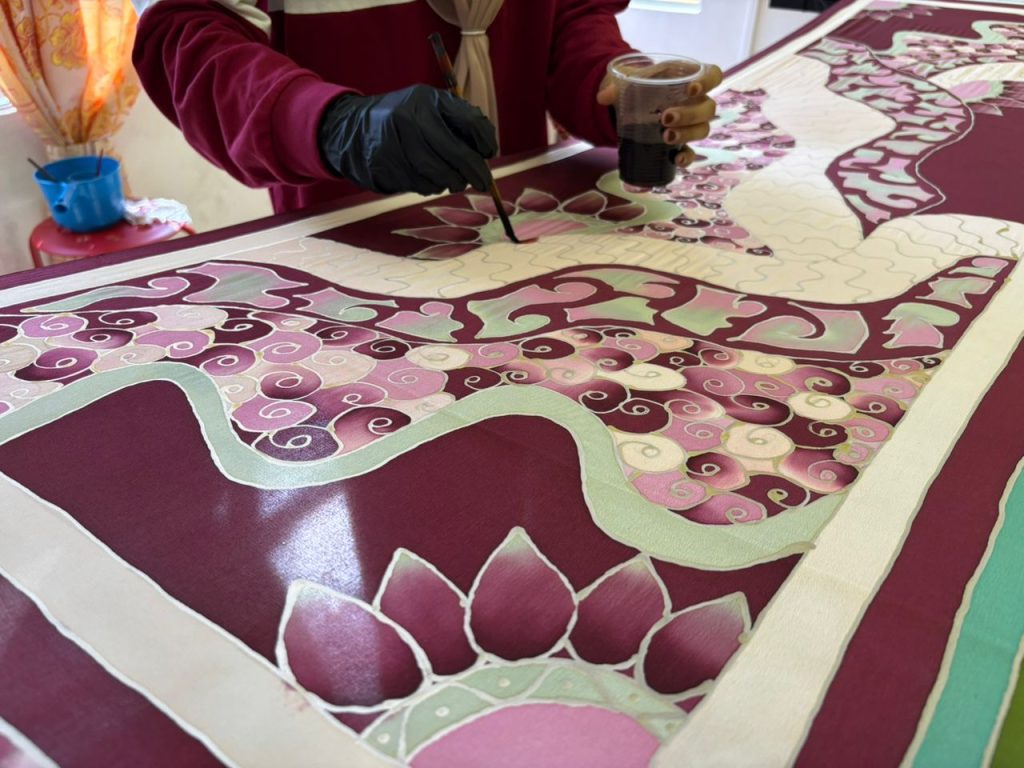
The batik colouring process is the stage where motifs come to life through colour. After wax has been applied to the fabric, colouring is carried out on the unwaxed areas, as these sections are able to absorb dye while the waxed parts resist it.
Colouring can be done using several methods, depending on the desired effect. Dyes may be brushed on for controlled and detailed colouring, poured or sprayed for softer gradients, or the fabric may be dipped for more even colour coverage. In Malaysian batik, hand-brushing is commonly used, allowing artisans to create expressive strokes, layered tones, and organic transitions between colours.
For multi-coloured designs, the process is repeated in stages. Areas intended to retain earlier colours are re-waxed before additional dyes are applied. This layering technique requires careful planning, as colours interact and deepen over time. Once colouring is complete, the fabric is left to rest before undergoing the colour-fixing process, ensuring the colours remain vibrant and durable.
Through this thoughtful and deliberate process, batik colouring transforms simple fabric into a richly expressive textile, where no two pieces are ever exactly the same.
4. Fixing Colour
In batik making, colour fixing is a crucial process that ensures the dyes remain vibrant, stable, and long-lasting on the fabric. After the colouring stage, the dyed fabric is left to rest so the colours can fully absorb into the fibres. A fixing solution—commonly known as a fixer—is then applied or the fabric is soaked according to the type of dye used. This process helps bind the dye molecules to the fabric, preventing colours from fading, bleeding, or washing out.
Once the colours are fixed, the fabric is thoroughly rinsed to remove excess dye before proceeding to wax removal. Proper colour fixing not only enhances the durability of batik but also preserves the clarity of motifs and the richness of colour, ensuring the artwork withstands repeated wear and washing.
5. Wax Removal
To remove the wax, the fabric is carefully immersed in hot or boiling water. The heat melts the wax, allowing it to separate from the fabric and rise to the surface of the water. The fabric is then gently lifted out and rinsed to ensure all remaining wax residues are fully removed.
This process reveals the contrast between the dyed areas and the sections that were previously protected by wax, bringing the motifs into clear view. Often described as a magical moment by batik artisans, wax removal marks the completion of the batik artwork—transforming layers of wax and colour into a finished piece that reflects patience, craftsmanship, and intention.
Batik Techniques
There are several batik techniques, each with its own character:
Batik Canting
Created using a canting tool for detailed, fine line work. This technique requires high precision and patience.

Batik Blok
Patterns are stamped using copper blocks, producing repetitive and structured designs.

Batik Sutera Saring
A modern batik technique that uses a silk or mesh screen to transfer designs onto fabric.
Traditional Batik Tools
Behind every batik piece are humble yet powerful tools:
Canting – a pen-like tool for applying hot wax.
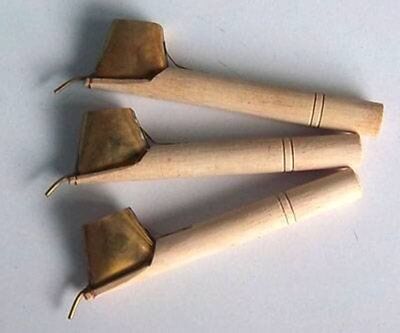
Copper Blocks (Blok Batik) – used for stamping pattern.

Brushes – for colouring and expressive strokes
Wax (Lilin Batik) – specially formulated for flexibility and durability
Fabric – cotton, silk, or rayon, chosen based on purpose and feel
These tools, though simple, require skill refined through years of practice.
How to Care for Batik
Proper care ensures your batik lasts for years:
Hand wash separately in cold water
Use mild detergent only
Avoid soaking for long periods
Do not bleach
Dry in shade, away from direct sunlight
Iron on low to medium heat (preferably inside-out)
With gentle care, batik becomes more beautiful over time.